Low-level laser therapy, also called cold laser therapy or photobiomodulation, is a non-invasive treatment that uses specific wavelengths of light to reduce pain, calm inflammation, and support the body's own tissue repair process. At Belden Village Chiropractic & Wellness Center in Canton, Ohio, Dr. Brent Ungar and the clinical team offer low-level laser therapy as part of a broader chiropractic and rehabilitation plan for patients dealing with joint pain, muscle strain, and other soft tissue injuries. The treatment involves no incisions, no needles, and no downtime, which makes it an appealing option for patients who want to avoid medication or surgery while they work toward relief.
Unlike surgical or "hot" lasers used to cut or cauterize tissue, low-level lasers do not generate heat that damages cells. Instead, they deliver light energy at a wavelength and power low enough to be absorbed by cells without harming them, which is why the treatment is sometimes described as cold laser therapy even though the device itself may feel warm to the touch. Patients typically describe the sessions as quiet and comfortable, often noting a mild warming sensation rather than any discomfort.
Dr. Ungar has spent much of his career studying and teaching photobiomodulation protocols, working with physicians, physical therapists, and athletic trainers on how to apply laser therapy effectively for both everyday patients and competitive athletes. That background shapes how laser therapy is used at Belden Village Chiropractic & Wellness Center: as one tool within a personalized treatment plan, applied to patients who are genuinely likely to benefit rather than offered as a blanket solution for every complaint.
Conditions Low Level Laser Therapy May Help
Low level laser therapy is most often used to address pain and inflammation connected to the muscles, joints, and soft tissues. Patients at Belden Village Chiropractic & Wellness Center commonly seek this treatment for neck and lower back pain, shoulder and rotator cuff irritation, tendonitis, and muscle strains or spasms. It is also used for joint conditions such as arthritis pain and bursitis, where reducing local inflammation can make a meaningful difference in day-to-day comfort and movement.
The therapy is frequently applied to nerve-related pain as well, including sciatica and carpal tunnel syndrome, along with recovery from sprains, whiplash, and other soft tissue injuries from falls or auto accidents. Because it does not involve heat damage to tissue, laser therapy can also be used on patients who have metal implants or pacemakers, a group who may not be candidates for certain other physical therapy modalities. During a consultation, the clinical team reviews each patient's history and current symptoms to determine whether laser therapy is an appropriate part of their care, since not every condition responds the same way to this treatment.
How Photobiomodulation Works
The science behind low level laser therapy centers on a process researchers call photobiomodulation, meaning the use of light to influence how cells function. When light at the right wavelength reaches injured or inflamed tissue, it is absorbed by structures inside the cell's mitochondria, the components responsible for producing energy. This absorption appears to boost the cell's production of adenosine triphosphate, or ATP, which is the basic energy currency cells use to carry out repair and maintenance.
Researchers studying photobiomodulation have reported that this increase in cellular energy is associated with several downstream effects relevant to healing, including reduced local inflammation, improved circulation to the treated area, and support for the body's natural tissue repair processes. Published research in this area, including studies indexed through the National Institutes of Health, has generally focused on musculoskeletal conditions such as joint and back pain, and outcomes appear to depend on factors like the wavelength, dose, and the specific condition being treated. This is one reason a trained provider matters. Getting the dose and application right is part of what separates effective laser therapy from a treatment that does little.
It is worth noting that research on low level laser therapy has not reached uniform conclusions across every condition, and the strength of evidence varies. Some studies have found that laser therapy can provide meaningful, if often short-term, pain relief for certain musculoskeletal conditions when used as part of a broader treatment approach, while other reviews call for more consistent dosing standards across future research. Because of this, the treatment is best understood as one part of a full care plan rather than a stand-alone cure, and the team at Belden Village Chiropractic & Wellness Center discusses realistic expectations with each patient before beginning treatment.
What to Expect During a Laser Therapy Session
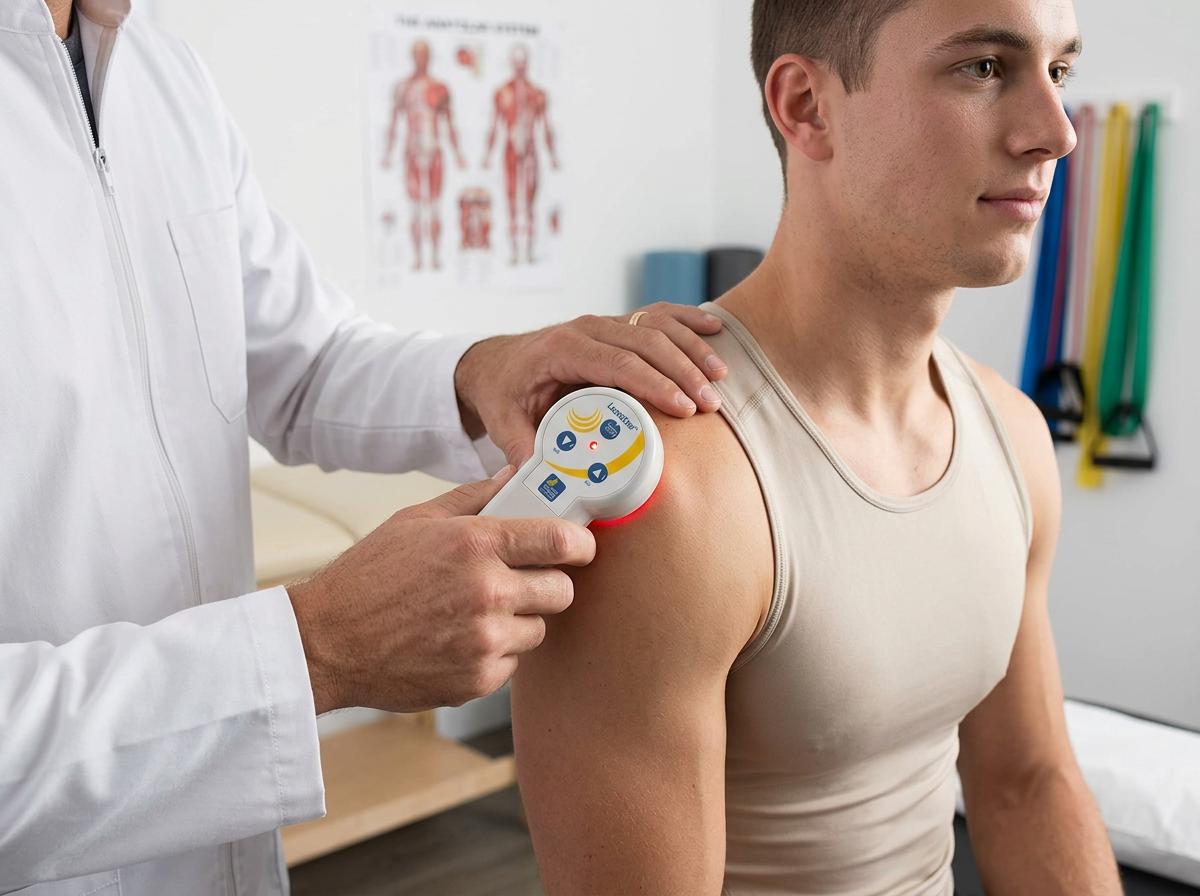
A typical low-level laser therapy session at Belden Village Chiropractic & Wellness Center takes only a few minutes per treatment area. The provider positions a handheld laser device over the affected area, and the device delivers light energy directly to the skin. Patients remain fully clothed except for the area being treated, and most people feel little more than gentle warmth, if anything.
Because the treatment is painless and requires no recovery time, patients can typically resume normal activity immediately afterward. Laser therapy is rarely used as a single session; most treatment plans involve a series of visits over several weeks, since the cumulative effect of repeated sessions generally produces noticeable improvement in pain and function. The number of recommended sessions depends on the condition being treated, how long the patient has been dealing with it, and how the body responds. Dr. Ungar reassesses progress throughout the plan and adjusts the frequency or approach as needed.
Safety and Who Is a Good Candidate
Low-level laser therapy has a strong safety profile when performed by a trained provider using an appropriately cleared device. It does not involve radiation exposure, incisions, or medication, and most patients tolerate it without any adverse effects. That said, laser therapy is not appropriate for everyone. Direct exposure to the eyes should always be avoided, and the treatment is generally not recommended during pregnancy, over areas of active cancer, or on skin with an open wound that requires a different approach. Patients with a fever or an active infection near the treatment site should also wait until those issues resolve.
Before recommending laser therapy, the clinical team at Belden Village Chiropractic & Wellness Center reviews each patient's full health history to confirm the treatment is a safe and reasonable fit. This evaluation is part of what makes the difference between a generic wellness gadget and a clinical treatment applied with judgment. Not every patient who asks about laser therapy is a candidate, and the practice is upfront about that during the initial consultation.
Getting Started and Insurance Coverage
Coverage for low-level laser therapy varies by insurance plan, and many plans classify it differently depending on the diagnosis and whether it is billed alongside chiropractic care. During a consultation, the front office team can help patients understand what their specific plan may cover and what options exist for treatment that is not covered by insurance.
Because coverage details are specific to each patient's plan, they are best discussed directly with the practice rather than assumed from general information.
Belden Village Chiropractic & Wellness Center
Choosing where to receive laser therapy matters as much as choosing to try it in the first place. At Belden Village Chiropractic & Wellness Center, low level laser therapy is offered alongside chiropractic adjustments, spinal decompression, and massage therapy, allowing Dr. Ungar and the team to build a treatment plan around the whole patient rather than one isolated symptom. For patients in Canton, North Canton, Massillon, and the surrounding Stark County communities, that combination of experience and a well-rounded approach to care is what sets the practice apart.
If you have been living with joint pain, muscle tightness, or a soft tissue injury that has not responded to rest alone, a consultation is the best way to find out whether low level laser therapy could be part of your solution. The clinical team will review your history, examine the area of concern, and talk through whether laser therapy, chiropractic care, or a combination of treatments makes the most sense for you.
Schedule a Laser Therapy Consultation
To find out whether low level laser therapy is right for you, call Belden Village Chiropractic & Wellness Center at 330-493-0009 or request an appointment online. Your first visit includes a review of your health history and a conversation with the clinical team about your symptoms, so you leave with a clear picture of your treatment options.
The practice is located at 4200 Munson Street NW, Suite B, Canton, Ohio 44718, serving patients throughout Canton and the surrounding Stark County area.
What is laser treatment?
L.A.S.E.R. (Light Amplification by Stimulated Emission of Radiation) is a name for a type of intense radiation of the light spectrum. A laser is a beam of light in which high energies can be concentrated. Laser light has unique physical properties, which other types of light do not have. These are coherence and monochromaticity. These are what makes laser light is so effective compared to other kinds of light in the field of pain reduction and healing. Laser treatment (also known as phototherapy and low level laser therapy) involves the application of low power coherent light to injuries and lesions to stimulate healing and reduce pain. It is used to increase the speed, quality and strength of tissue repair, resolve inflammation and give pain relief. Low level laser technology has been found to offer superior healing and pain relieving effects compared to other electrotherapeutic modalities such as ultrasound, especially in dealing with chronic problems and in the early stages of acute injuries. Low level laser technology is a complete system of treating muscle, tendon, ligament, connective tissue, bone, nerve, and dermal tissues in a non-invasive, drug-free modality.
Does low level laser therapy hurt?
No, low level laser therapy is not painful. Most patients feel a mild, comfortable warmth in the treated area during the session, and there is no cutting, injection, or recovery time involved. Many people find the treatment relaxing, and normal activities can be resumed right away.
Is low-level laser therapy safe if I have a pacemaker or metal implant?
The number of sessions varies by condition and how long you have been dealing with it, but most treatment plans involve multiple visits over several weeks rather than a single session. Chronic or long-standing issues typically require more sessions than a recent strain or sprain. Your provider will outline an expected plan and adjust it based on your progress.
Is low-level laser therapy safe if I have a pacemaker or metal implant?
Yes, low-level laser therapy is generally considered safe for patients with pacemakers or metal implants, since it does not use radiation or generate the kind of heat that affects metal or electronic devices. This makes it an option for some patients who cannot use other physical therapy modalities. Your provider will still review your full medical history before beginning treatment to confirm it is appropriate for you.
What conditions does laser therapy treat?
Low-level laser therapy is most commonly used for musculoskeletal pain and inflammation, including neck and back pain, tendonitis, arthritis, sprains, and nerve-related pain such as sciatica or carpal tunnel syndrome. It is typically used as part of a broader treatment plan alongside chiropractic care or physical therapy rather than as a stand-alone treatment. A consultation can help determine whether your specific condition is likely to respond well.
Will insurance cover my laser therapy treatment?
Coverage depends on your specific insurance plan and how the treatment is billed alongside your diagnosis, so it varies from patient to patient. The front office team at Belden Village Chiropractic & Wellness Center can help you understand your coverage before you begin treatment. Discussing your specific plan directly with the practice is the most reliable way to get an accurate answer.