
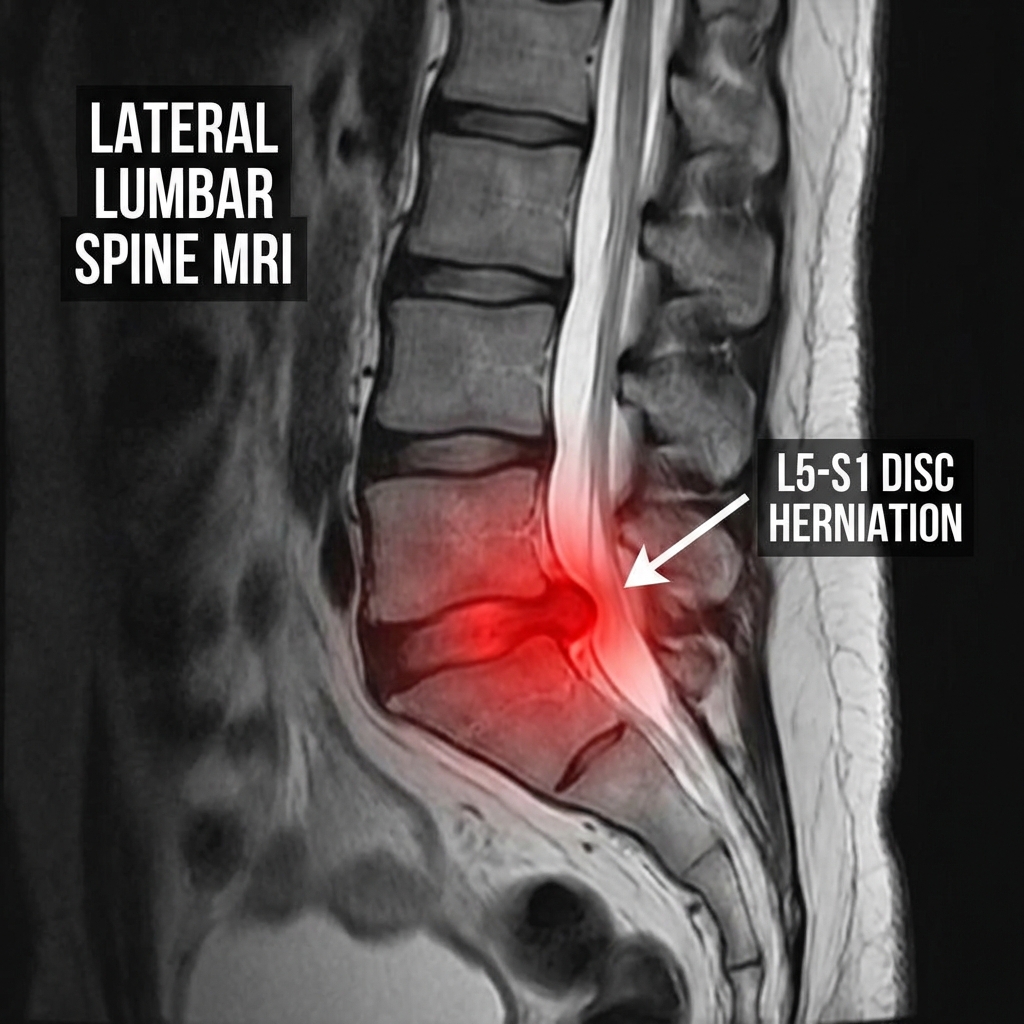
When your doctor mentions the word "surgery" for your back or neck pain, your heart probably skips a beat. The thought of going under the knife, the long recovery time, and the risks involved are enough to make anyone lose sleep. But here's something your surgeon might not have told you: surgery is rarely the only option for treating herniated discs and chronic back pain.
For millions of Americans living with debilitating back and neck pain, non-surgical spinal decompression therapy offers a safe, gentle alternative that works with your body's natural healing abilities. Let's explore the science behind this treatment and help you understand if it might be the right choice for you.
If you're reading this, chances are you already know how much chronic back pain affects every part of your life. Simple tasks like getting out of bed, sitting at your desk, or playing with your kids become daily battles. The pain follows you everywhere, and it's exhausting.
Maybe you've been diagnosed with a herniated disc, degenerative disc disease, or sciatica. Your doctor has likely presented surgery as an option, leaving you wondering if there's any other way forward.
The good news? You have options. And understanding those options starts with knowing what's actually happening in your spine.
Here's the frustrating truth about spinal conditions: they rarely improve on their own. The discs in your spine act as cushions between your vertebrae. Over time, these discs can become compressed, bulge outward, or even rupture. When this happens, the disc material can press against your spinal nerves, causing:
As Dr. Brent Ungar of Belden Village Chiropractic & Wellness Center explains, "Many patients come to us after years of managing their pain with medications, only to find the underlying problem has gotten worse. The key is addressing the root cause of the discomfort, not just masking the symptoms."
The longer these issues go untreated, the more your quality of life suffers. And while surgery might seem like the definitive answer, it comes with significant considerations that many patients aren't fully aware of.
Spinal surgery has helped countless people find relief from severe back pain. However, it's important to understand what you're signing up for when you agree to an operation.
First, there's the recovery time. Most spinal surgeries require weeks or even months of restricted activity. You may need time off work, physical therapy sessions, and ongoing pain management during healing.
Then there's the question of success rate. While many surgeries are successful, a significant number of patients experience what's known as "failed back surgery syndrome," where the pain persists or returns after the procedure.
Finally, surgery carries inherent risks: infection, nerve damage, blood clots, and complications from anesthesia. For many patients, especially those with less severe conditions, these risks may not be worth taking when effective non-invasive options exist.
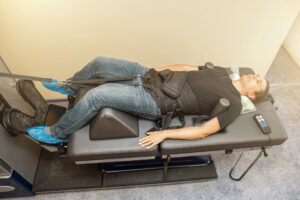
Non-surgical spinal decompression therapy offers a different approach. Instead of cutting into your spine, this treatment uses gentle, computer-controlled stretching to create negative pressure within your spinal discs.
Think of it this way: when you squeeze a sponge, it compresses and pushes out water. When you release that squeeze, the sponge naturally expands and draws water back in. Spinal decompression works on a similar principle.
During treatment, you lie comfortably on a specialized traction table. The machine gently stretches your spine, creating space between your vertebrae. This negative pressure helps:
"Spinal decompression helps your body heal naturally," notes Dr. Anthony Gatelaro of Belden Village Chiropractic. "By creating the right environment for healing, we're working with your body rather than against it."
Understanding what to expect from spinal decompression therapy can help you feel more comfortable about pursuing this treatment option.
Before any treatment begins, your healthcare provider will perform a thorough examination. This typically includes reviewing your medical history, conducting physical tests, and possibly ordering imaging studies. The goal is to determine whether spinal decompression is appropriate for your specific condition.
Spinal decompression therapy may be beneficial for conditions including herniated or bulging discs, degenerative disc disease, sciatica, chronic neck or back pain, spinal stenosis, facet syndrome, and numbness or tingling in the arms or legs.
Every spine is different, which means every treatment plan should be too. Your provider will create a personalized protocol based on your diagnosis, pain levels, and treatment goals. Most patients require a series of sessions over several weeks to achieve optimal results.
During each session, you'll lie on the decompression table in a comfortable position. A harness system gently secures you in place. The table then applies precisely controlled traction, cycling between stretching and relaxation phases.
Most patients describe the sensation as a gentle pulling. Many find the sessions so relaxing that they fall asleep during treatment. Each session typically lasts 15 to 30 minutes.
For the best results, spinal decompression is often combined with other treatments. These might include chiropractic adjustments to improve spinal alignment, therapeutic exercises to strengthen supporting muscles, massage therapy to reduce muscle tension, and laser therapy to accelerate tissue healing.
Once your initial treatment series is complete, your provider will work with you on strategies to maintain your results. This might include specific exercises, ergonomic recommendations, and periodic maintenance treatments.
While spinal decompression helps many patients find relief, it's not right for everyone. Good candidates typically include people with herniated or bulging discs, those experiencing sciatica or radiating leg pain, patients with degenerative disc disease, individuals who haven't responded well to other conservative treatments, and people looking to avoid or delay surgery.
However, certain conditions may make spinal decompression inappropriate. These include pregnancy, severe osteoporosis, spinal fractures, spinal tumors, certain spinal hardware or implants, and some advanced cases that truly require surgical intervention.
This is why the initial evaluation is so important. A qualified provider can help determine whether this treatment is suitable for your situation.
Deciding how to treat your back pain is a personal choice that depends on many factors. The severity of your condition, your overall health, your lifestyle, and your tolerance for risk all play a role.
What's most important is that you understand all your options before making a decision. For many patients, non-surgical spinal decompression provides effective, lasting relief without the risks and recovery time associated with surgery. It offers a path to healing that works with your body's natural abilities.
If you've been living with back pain and wondering whether surgery is your only option, the answer is often no. Safe, effective alternatives exist, and they've helped thousands of patients reclaim their lives from chronic pain.
At Belden Village Chiropractic & Wellness Center in Canton, Ohio, the team combines advanced spinal decompression technology with personalized, compassionate care. Their holistic approach focuses on addressing the root cause of your discomfort, helping you find relief and restore confidence in your everyday life.
Whether your pain is new or you've been suffering for years, you deserve to know all your options. Call us at 330-493-0009 to schedule an initial consultation to determine if Spinal Decompression Therapy is right for you!